The Silent Sip: How Everyday Drinks May Be Quietly Compromising Your Bone Strength
Your bones are not static scaffolding. They are living, breathing tissue—constantly rebuilding themselves in a delicate dance of breakdown and renewal. And while calcium-rich foods and weight-bearing exercise rightly earn attention for bone health, there’s a quieter factor many overlook: what you drink.
Certain beverages, consumed regularly over years, can subtly shift the balance—tipping the scales toward gradual bone loss rather than resilience. This isn’t about fear. It’s about awareness. Because when you understand how your daily sip shapes your skeletal future, you gain the power to choose differently—without deprivation, but with intention.
Four Beverages That May Undermine Bone Density
1. Sugary Sodas (Especially Colas)
The concern: Colas contain phosphoric acid—a compound that may disrupt the body’s delicate calcium-phosphorus balance. When phosphorus levels rise too high, the body may draw calcium from bones to restore equilibrium.
The evidence: Research in the American Journal of Clinical Nutrition found women consuming three or more colas daily had significantly lower bone mineral density—particularly in the hip—compared to non-consumers.
The nuance: Occasional soda won’t harm bones. But when it replaces calcium-rich beverages daily, the cumulative effect matters.
2. ExcessiveCaffeine
The concern: Caffeine mildly increases calcium excretion through urine—about 4–6 mg lost per 150 mg of caffeine (roughly one cup of coffee).
The threshold: Risk emerges with more than 400 mg daily (≈4 cups coffee) without adequate calcium intake.
The reassurance: Moderate coffee (1–3 cups) poses no threat when paired with calcium-rich foods. In fact, adding milk transforms your cup into bone support.
Your move: Limit to 2–3 cups daily. Stir in fortified plant milk or enjoy a yogurt alongside your brew.
3. Heavy Alcohol Consumption
The concern: Chronic heavy drinking (≥3 drinks daily) interferes with:
→ Calcium absorption in the gut
→ Vitamin D activation (essential for calcium uptake)
→ Osteoblast function (bone-building cells)
The evidence: Long-term heavy use correlates with higher fracture risk and accelerated osteoporosis.
The silver lining: Light-to-moderate intake (1 drink/day for women, 2 for men) shows neutral—or even protective—effects in some studies.
Your move: Honor recommended limits. On days you drink, prioritize calcium-rich foods like leafy greens, sardines, or fortified tofu.
4. Daily Diet Sodas
The emerging concern: Some observational studies link daily diet soda consumption to lower bone density—possibly because it displaces nutrient-rich beverages, or due to effects on gut health
Talking about de:ath is never easy, but understanding its signs can help us prepare better, both emotionally and spiritually. When a person is nearing the end of their life, the body and mind begin to emit certain unmistakable signals. Whether due to a terminal illness or natural causes, it’s important to recognize these signs and provide the necessary support.
Below are the 7 most common signs that death is near: Excessive sleepiness and disconnection from surroundings
One of the first signs is increased sleep. The person sleeps almost all day and has difficulty responding to stimuli. This deep sleepiness indicates that the body is reducing its functions to conserve energy.
Loss of appetite and food refusal
The body begins to reject food and liquids. Even favorite foods cease to be appealing. This is because the body no longer needs external energy to function.
Changes in breathing
Breathing may becomeirregular, with long pauses between inhalations. Nasal flaring or noisy breathing, known as a “death rattle,” may also occur.
Cold skin and a bluish discoloration of the extremities
Circulation decreases, so the hands, feet, and lips may turn bluish or purplish. It is also common for the skin to be cold to the touch, especially in the extremities.
see continuation on next page
Emotional and spiritual withdrawal
Many patients stop communicating with their surroundings, even though they remain conscious. They enter an introspective state, as if they were already saying goodbye to the physical world.
Hallucinations or visions of deceased loved ones
It is common for the person to speak with deceased relatives or say they see “angels” or “light.” Beyond the medical aspect, this is interpreted by many cultures as a spiritual preparation for passing.
Sudden relaxation or unexpected final energy
Interestingly, some people experience a brief period oflucidity or energy shortly before death. They can talk, smile, or ask for food, which sometimes confuses family members. This is one of the last stages before the body finally ceases its functions.
How to cope with this process? see continuation on next page Accepting death as a natural part of life is key. At this time, empathy, silent presence, and love are the best companions. Words aren’t always necessary. Sometimes, a gesture, a caress, or simply being there says it all.
If you are a family member or caregiver, remember:
Allow them to rest.
Don’t force them to eat.
Provide peace, not anxiety.
Validate emotions, don’t deny them.
Final Reflection Death is not the end, but a transition. Recognizing these signs does not mean resignation, but rather accompanying the deceased with dignity. Saying goodbye is painful, but it can also be a profound act of love.
Why your veins look more prominent: body signals you should understand
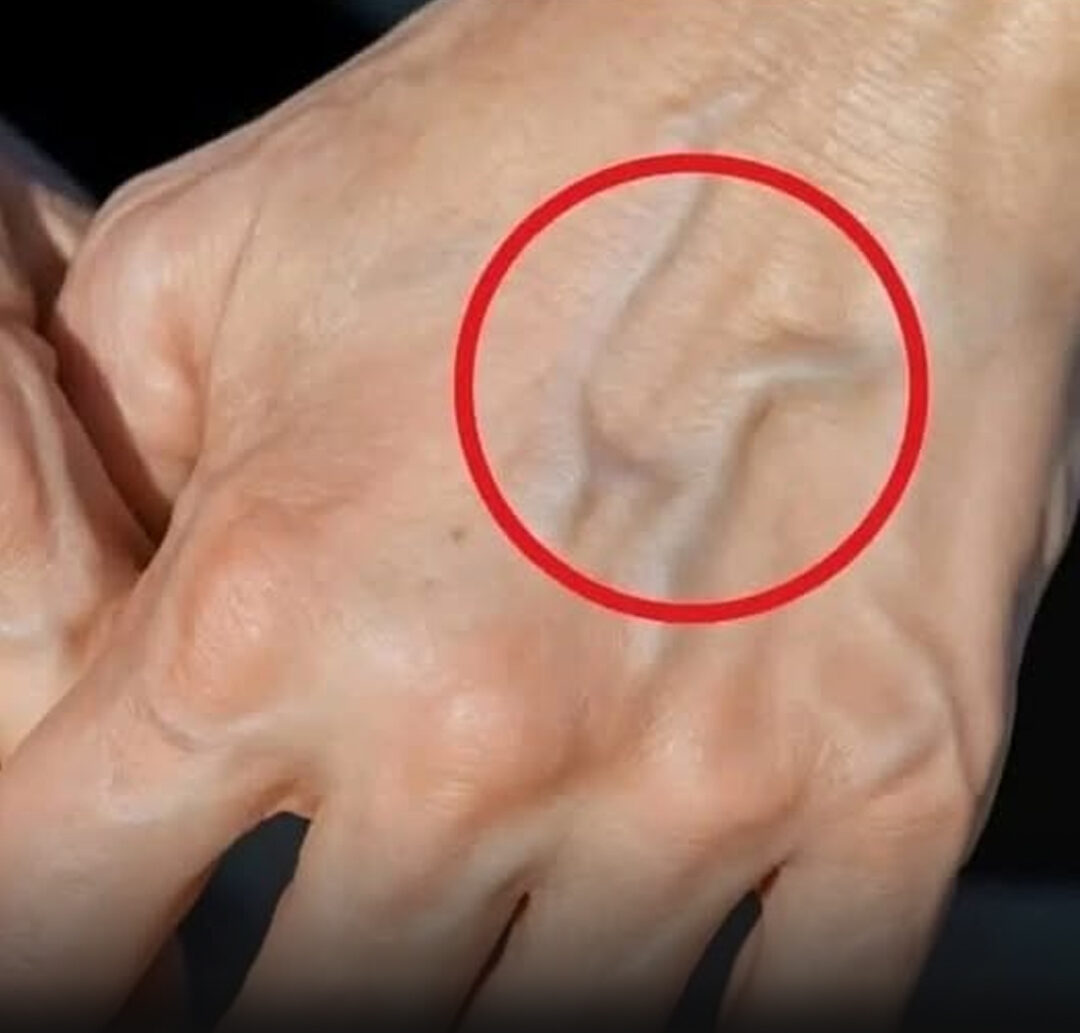
At some point, many people look at their hands or arms and notice that their veins appear more visible or prominent than usual. This often leads to concern and immediate questions about whether it’s a health problem or an abnormal change in the body. However, in most cases, the appearance of prominent veins is due to completely normal factors and poses no risk. Even so, paying attention to this detail can help you better understand what your body is trying to tell you.
Continue on the next page:One of the most frequent causes of prominent veins is body fat percentage . People with a slim build or greater muscle mass tend to have a thinner layer of fat under the skin, making their veins more visible. This is common in those who exercise regularly , especially strength training or intense workouts. During exercise, blood flow increases to deliver oxygen to the muscles, causing the blood vessels to dilate temporarily and become more prominent.
Aging is another key factor influencing this phenomenon. Over the years, skin loses collagen and elasticity , two essential components for maintaining its firmness. As it becomes thinner and less resilient, it more easily reveals internal structures, such as veins. This process is often particularly noticeable on the hands , an area where the skin is naturally more delicate and is constantly exposed to external factors like the sun and daily use.
High temperatures can also explain why veins appear more prominent at certain times. When it’s hot, the body activates mechanisms to regulate its temperature, including the dilation of blood vessels . This allows heat to be released through the skin, but at the same time, it causes the veins to expand and become more visible. That’s why it’s common to notice them more after a hot bath , during the summer, or after prolonged sun exposure.
Anatomy
In most cases, these variations don’t indicate any medical problem. However, there are specific situations that warrant closer attention. If visible veins are accompanied by pain , swelling , discoloration , a feeling of heaviness , or burning, it could be a circulatory disorder. Conditions such as varicose veins , phlebitis , or, less frequently, thrombosis , require medical evaluation to rule out complications and receive appropriate treatment.Dehydration and a poor diet can also affect the appearance of veins. When the body doesn’t receive enough water or lacks certain essential nutrients , the skin can become thinner and lose some of its protective capacity. This makes it more translucent and allows the veins to be more noticeable. Maintaining a balanced diet and adequate hydration is essential not only for the skin but also for the overall functioning of the body.
There are simple habits that help improve both vascular health and skin appearance. Drinking enough water throughout the day helps keep skin hydrated and supple. Using natural oils or moisturizing creams with gentle massage can stimulate circulation and provide beneficial nutrients. In addition, maintaining a moderate exercise routine , while avoiding extreme sedentary behavior, promotes venous return and overall well-being.
In conclusion, more visible veins than usual are a common and natural condition , related to body type, age, climate, or activity level. In most cases, it’s not cause for alarm. However, carefully observing changes in your body allows you to detect important signs and know when to consult a professional. Understanding these manifestations helps you make informed decisions and take care of your health consciously, remembering that the body always finds ways to communicate.
Many drivers overlook simple solutions for a comfortable and well-maintained vehicle. A surprising tip, shared by a police officer, is to “Put a glass of salt in your car.” This unconventional method effectively combats excessive humidity within your vehicle’s interior, a common yet often underestimated issue.
This article explores the benefits of this simple hack and how it can significantly enhance your driving experience.
Find Chemistry Tutors
Understanding the Dangers of High Humidity in Your Car
High humidity levels within your car can create a range of problems:
Foggy Windows: Foggy windows severely obstruct visibility, especially during rain, snow, or sudden temperature changes. This significantly increases the risk of accidents due to impaired vision.
Musty Odors: Excess moisture fosters the growth of mold and mildew, leading to unpleasant musty odors that permeate the entire car’s interior. These odors can create an unpleasant driving environment.
Pulled my beef roast out of the slow cooker and saw these weird white stringy things poking out of the meat. They look like little worms or parasites. Is the meat infested?
When you pull a beef roast out of the slow cooker, it’s supposed to be a moment of anticipation and excitement. You’ve spent hours waiting for the
meat to become tender and flavorful, ready to serve as a delicious centerpiece for your meal. But what if, upon examining your roast, you notice strange white stringy things poking out of the meat? Your first thought might be that the meat is infested with parasites or worms, leading to understandable concern.
Explore Gourmet Recipes
Before you throw away your hard work in a panic, it’s important to take a closer look at what you’re seeing. These white stringy bits might not be what you fear. In fact, they are often a normal part
Why You Might Look Older Than You Are—And How to Spot It
Before diving into the subtle habits that can age your appearance, it’s essential to recognize that not all signs of aging come from genetics or the inevitable passage of time. Many everyday behaviors or overlooked routines quietly add years to your look, often without you realizing it.
One key distinction to make is between lifestyle factors you can control and unavoidable biological aging. This article focuses on the controllable aspects—those daily habits and choices that influence how fresh and vibrant you appear to others.
Check Your Medicine Cabinet
Medications and supplements can affect your skin, energy, and overall appearance. Some prescription drugs have side effects like dry skin, puffiness, or changes in hair texture that might contribute to an older look. If you notice such changes after starting a new medication, consult your doctor or pharmacist for alternatives or remedies.
Posture and Presence Matter More Than You Think
How you carry yourself sends immediate signals about your vitality and age. Slouching or a tense, closed-off posture can project fatigue and age, regardless of your actual years. This simple self-check—standing tall with shoulders back—can instantly refresh your appearance.
Ergonomic support during long work hours and regular movement breaks are practical investments. For example, ergonomic chairs can cost between $150 and $500 but may improve posture over time, helping maintain a youthful stance.
Look Beyond Skin Deep: Mental and Emotional Energy
Your mindset influences how you appear. A positive outlook and active curiosity often translate into a lively expression and engaged presence, while negativity and mental stagnation can subtly age your face and demeanour.
Small daily habits like learning new skills, practicing gratitude, and socializing can refresh your mental energy and, by extension, your look.
Understanding these broad factors gives you a decision framework: focus on posture, lifestyle habits, and emotional well-being first. These pillars support a youthful appearance and set the stage for addressing specific habits that add years unnoticed.
Here are the 12 habits that make you look older without you realizing it. Number 7 is the one that many overlook but has a huge impact on your youthful glow.
Continue Reading on the Next Page
1. Poor Posture
Slouching or hunching over not only affects your physical health but also significantly ages your appearance. Poor posture compresses your chest and neck, leading to a sagging look and a less confident presence. It can make you appear tired, less energetic, and older than you actually are.Improving posture involves mindful awareness and consistent effort. Incorporate daily stretches that open the chest and strengthen back muscles, such as shoulder blade squeezes and chest openers. Yoga and Pilates are particularly effective for building core strength and encouraging proper alignment.
If you spend many hours sitting, especially at a desk, consider investing in ergonomic furniture to support your spine. Regular breaks to stand and walk can also prevent stiffness and help you maintain a taller, more youthful stance.
2. Wearing Outdated or Ill-Fitting Clothes
Your clothing choices have a powerful impact on how old you look. Wearing garments that are outdated, too loose, or too tight can add years to your appearance by making your silhouette look shapeless or sloppy. Ill-fitting clothes may also highlight areas you would prefer to downplay, which can detract from your overall polished look.
To keep your look fresh and age-appropriate, invest in timeless pieces that fit well and complement your body shape. You don’t need to chase fast fashion trends; instead, focus on clean lines, quality fabrics, and cuts that flatter your figure.
Regularly update your wardrobe by replacing worn-out items. Get clothes tailored for a perfect fit, especially key items like blazers and trousers. Choose colors that brighten your complexion rather than dull it. Continue Reading on the Next Page
3. Neglecting Your Smile
Your smile is one of the first things people notice, and dental health directly influences how youthful you appear. Discolored, chipped, or misaligned teeth can create an impression of neglect and age. Additionally, poor oral hygiene can cause bad breath, which affects social interactions.
Maintaining a bright and healthy smile requires regular dental care. Brush your teeth at least twice a day with fluoride toothpaste, floss daily, and schedule dental cleanings every six months. Limiting intake of staining substances like coffee, red wine, and tobacco can help preserve tooth color.
For more significant dental concerns, consult a dentist about treatments such as whitening, veneers, or orthodontics to restore a vibrant smile.
4. An Unflattering Haircut
Your hairstyle frames your face and can either highlight your best features or accentuate signs of aging. A haircut that is outdated or doesn’t suit your face shape can add years and make your appearance look tired or dull.
Consult with a professional stylist to find a haircut that complements your face and lifestyle. Softer layers and face-framing cuts can add movement and vitality, while avoiding overly severe or harsh styles helps maintain a youthful look.Regular trims keep hair healthy and prevent split ends, which can also affect your overall appearance.
5. Overdoing Makeup or Skipping It Entirely
Makeup is a tool to enhance your natural beauty, but both extremes—excessive makeup and complete absence of it—can age you. Heavy makeup can settle into fine lines and wrinkles, making them more noticeable. On the other hand, skipping makeup entirely may leave signs of fatigue and uneven skin tone visible.
The best approach is a balanced one. Use light foundation or tinted moisturizer to even skin tone, soft blush for a healthy glow, and moderate mascara to open the eyes. Choose subtle lip colors that complement your complexion without overpowering your features.
A well-executed, natural makeup routine can brighten your face and impart a youthful, refreshed appearance.
Continue Reading on the Next Page
6. Neglecting Hand Care
Your hands often reveal your age more than your face. Skin on the hands is thinner and exposed to environmental damage like sun, chemicals, and frequent washing. Neglecting hand care can lead to dryness, wrinkles, age spots, and visible veins.
To maintain youthful hands, moisturize them daily with a rich hand cream, especially after washing. Apply broad-spectrum sunscreen to your hands whenever you are outdoors to prevent sun damage and pigmentation changes.
Wearing gloves while doing household chores or gardening protects your skin from harsh detergents and irritants. Regular manicures to keep nails trimmed and neat also contribute to a polished, youthful look.
7. Poor Sleep Habits
Chronic lack of restorative sleep accelerates visible aging by causing dull skin, dark circles, puffiness, and a tired expression. Sleep deprivation disrupts the skin’s repair processes, leading to increased wrinkles and loss of elasticity.
Prioritize getting 7 to 8 hours of quality sleep each night. Create a calming bedtime routine by limiting screen time before sleep, avoiding caffeine late in the day, and maintaining a consistent sleep schedule. A dark, cool, and quiet room can enhance sleep quality.
Good sleep hygiene not only improves your appearance but also supports overall health and cognitive function.
8. Skipping Sunscreen
Sun exposure is the leading cause of premature skin aging, including wrinkles, fine lines, uneven pigmentation, and loss of firmness. Ultraviolet (UV) radiation damages collagen and elastin fibers in the skin, accelerating the aging process.
Applying sunscreen daily is critical, even on cloudy days or when indoors near windows. Use a broad-spectrum sunscreen with at least SPF 30, and reapply every two hours when outdoors. Prioritize areas prone to sun exposure such as the face, neck, ears, and hands.
The colon is undoubtedly one of the most important organs in our body . You might not pay much attention to it and think of it simply as a waste disposal tube, but it’s actually much more than that. The colon absorbs water and nutrients from the food we eat and prepares it for subsequent disposal . For this reason, keeping it clean and functioning properly is vital. If its function were to be seriously compromised, the repercussions on our overall health could be truly negative.
Keep reading — tap the button below to continue.Unfortunately, our unhealthy lifestyle and poor eating habits are causing a dangerous decline in our colon health. The constant accumulation of toxins and chemicals in the colon is detrimental to the body’s health and can have unpredictable consequences. Once toxins spread throughout your body, they can cause many serious health problems . This is why people in the past used enemas to cleanse their bodies.
There are several colon cleansing methods , such as enemas, which are supposed to remove all excess waste from the colon and keep it clean for a rather long period of time.
In a world increasingly conscious of sustainability and waste reduction, it’s surprising how often everyday items are dismissed as useless. Among these overlooked objects are old eyeglass cases. While many people discard them as soon as their glasses are replaced or upgraded, these sturdy little containers can serve a multitude of purposes beyond their original design. The key is to unlock their potential with a bit of creativity and some practical application.
Old eyeglass cases come in various shapes, sizes, and materials, making them versatile for a range of reuses. Whether it’s for organizing small items or serving as portable storage solutions, these cases can be repurposed in ways that are both functional and eco-friendly. Here are ten smart ways to give those old eyeglass cases a new lease on life, saving you money and helping the planet by reducing waste.